
 EN
EN
 English
 Client
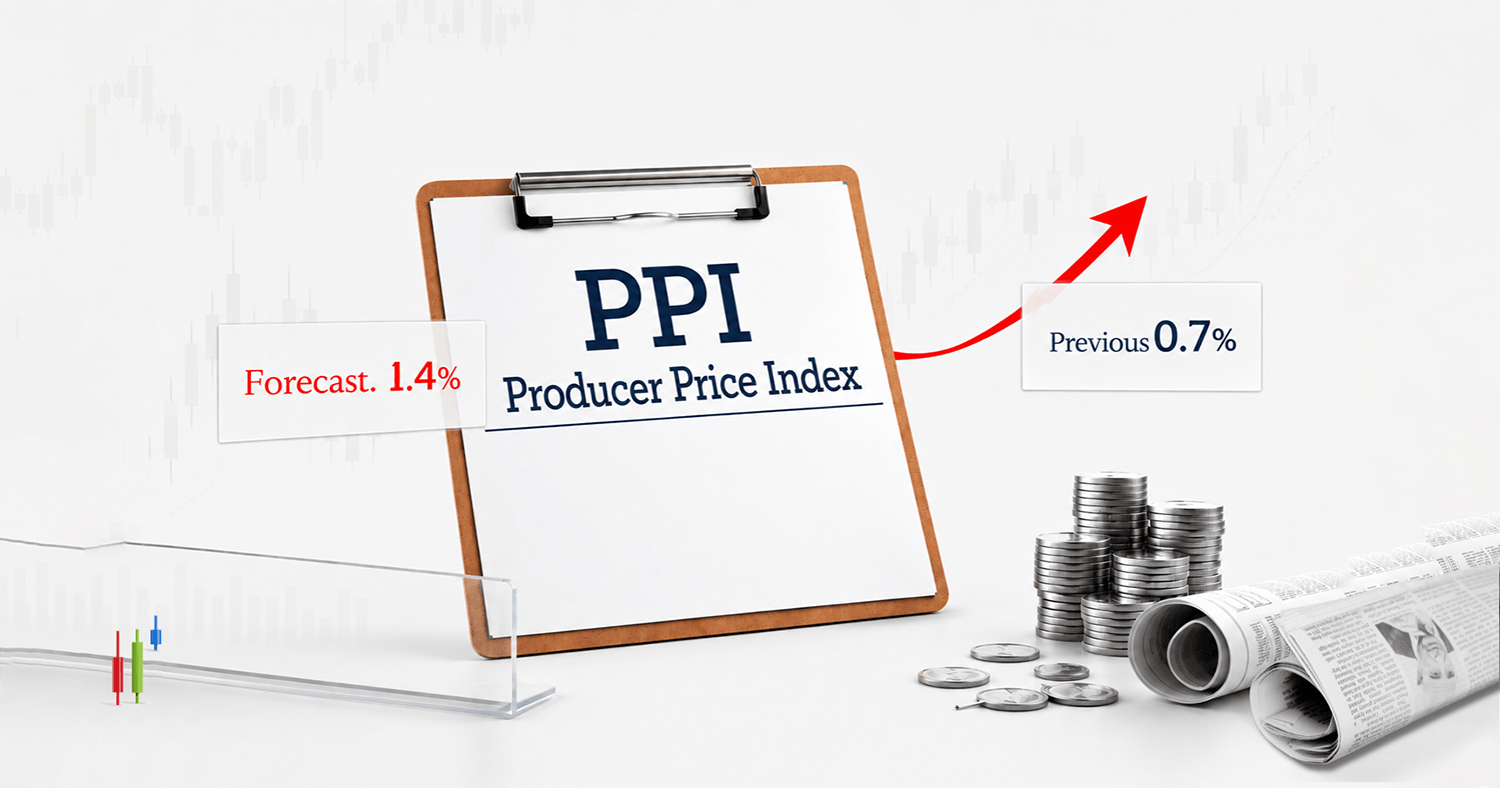
What Is PPI? Understanding the Producer Price Index and Its Impact on Financial Markets
Introduction
Inflation is one of the most important drivers of financial markets. Whether you trade Forex, Gold, stock indices, or commodities, understanding inflation indicators can help you make better trading decisions.
One of the most closely watched inflation reports is the Producer Price Index (PPI). While many traders focus on consumer inflation, PPI provides insight into inflationary pressures much earlier in the economic cycle.
Before exploring PPI, traders should also understand the Consumer Price Index (CPI), which measures inflation from the consumer's perspective. Read our guide: https://www.zedcapital.com/article/what-is-cpi-consumer-price-index-explained-for-traders
What Is PPI?
The Producer Price Index (PPI) measures the average change over time in the prices that producers receive for their goods and services.
In simple terms, PPI tracks inflation at the wholesale or production level before products reach consumers.
The report is published monthly by the U.S. Bureau of Labor Statistics (BLS) and serves as an important indicator of inflationary pressures within the economy.
Official source:
https://www.bls.gov/ppi/
Because producer costs often influence consumer prices, PPI is widely regarded as a leading indicator of future inflation.
Why Is PPI Important?
PPI helps traders, investors, economists, and central banks understand whether inflation pressures are increasing or decreasing.
When businesses face higher production costs, they may eventually pass those costs on to consumers through higher retail prices.
As a result, PPI can provide early signals regarding:
Inflation trends
Economic growth
Interest rate expectations
Federal Reserve policy decisions
Currency movements
Commodity price trends
This is why major PPI releases often generate volatility across global financial markets.
How Is PPI Calculated?
The Producer Price Index measures price changes across several sectors of the economy.
Goods
This category includes:
Energy products
Agricultural commodities
Metals
Manufacturing goods
Consumer products
Services
Service-sector inflation includes:
Transportation
Financial services
Healthcare
Professional services
Warehousing and logistics
Construction
Construction-related inflation includes:
Residential buildings
Commercial projects
Infrastructure development
The index compares current prices with those from a base period to determine the rate of inflation.
Headline PPI vs Core PPI
Understanding the difference between Headline PPI and Core PPI is essential for traders.
Headline PPI
Headline PPI includes all categories of goods and services.
This measure reflects overall inflation at the producer level but can be influenced by volatile sectors such as food and energy.
Core PPI
Core PPI excludes food and energy prices.
By removing these highly volatile categories, Core PPI provides a clearer view of underlying inflation trends and is often considered a more reliable measure of long-term inflation pressures.
How PPI Affects Financial Markets
The Forex market reacts strongly to inflation data.
A higher-than-expected PPI reading may increase expectations that the Federal Reserve will keep interest rates elevated for longer, often supporting the U.S. Dollar.
A lower-than-expected reading may weaken the Dollar and improve risk sentiment.
If you are new to currency markets, read our Forex guide:
https://www.zedcapital.com/forex
Gold prices are highly sensitive to inflation and interest rate expectations.
Higher PPI readings may:
Strengthen the U.S. Dollar
Increase Treasury yields
Put pressure on Gold prices
Lower PPI readings may support Gold by reducing expectations for future interest rate hikes.
Stock markets often react to inflation reports because inflation directly impacts business profitability.
Higher producer costs can:
Increase operating expenses
Reduce profit margins
Impact future earnings expectations
This may create increased volatility in major indices such as the S&P 500, NASDAQ, and Dow Jones.
Bond Market
Government bond yields often move after inflation reports.
Higher PPI readings can increase expectations of future rate hikes, pushing bond yields higher.
Lower readings may support bond prices and reduce yields.
PPI vs CPI: What's the Difference?
Many traders confuse PPI and CPI, but both indicators measure inflation from different perspectives.
| Feature | PPI | CPI |
| Measures | Producer Prices | Consumer Prices |
| Perspective | Businesses | Consumers |
| Inflation Stage | Production Level | Retail Level |
| Purpose | Leading Indicator | Consumer Inflation Measure |
PPI measures inflation before products reach consumers, while CPI measures the prices consumers actually pay.
For a complete explanation of CPI, read:
http://www.zedcapital.com/article/what-is-cpi-consumer-price-index-explained-for-traders
How PPI Influences Federal Reserve Policy
Inflation is one of the key factors influencing Federal Reserve policy decisions.
When producer prices rise significantly, policymakers may become concerned that inflation could remain elevated.
As a result, higher PPI readings may influence:
Interest rate decisions
Monetary policy outlook
Market expectations
Bond yields
Currency valuations
Learn more about Federal Reserve policy:
https://www.federalreserve.gov/monetarypolicy.htm
Example of a Market Reaction
Suppose economists forecast monthly PPI growth of 0.2%.
If the actual reading is released at 0.7%, markets may interpret this as stronger inflationary pressure than expected.
Possible reactions may include:
Stronger U.S. Dollar
Higher Treasury yields
Increased stock market volatility
Lower Gold prices
Conversely, a weaker-than-expected reading may have the opposite effect.
How Traders Use PPI Data
Professional traders often combine PPI data with:
CPI reports
Employment reports
GDP growth data
Federal Reserve statements
Economic calendar events
Tracking these indicators together provides a more complete picture of economic conditions and potential market direction.
Key Takeaways
PPI measures inflation at the producer level.
It tracks changes in prices received by businesses.
PPI is considered a leading indicator of inflation.
Strong PPI readings can affect Forex, Gold, stocks, and bonds.
Traders monitor PPI to anticipate future Federal Reserve decisions.
Understanding PPI can help traders prepare for market volatility.
Frequently Asked Questions (FAQ)
What is PPI in simple terms?
PPI measures changes in prices received by producers for goods and services before they reach consumers.
Why is PPI important?
PPI provides early insight into inflation trends and can influence interest rate expectations and financial markets.
How does PPI affect Gold?
Higher PPI readings may strengthen the U.S. Dollar and increase bond yields, which can create downward pressure on Gold prices.
How does PPI affect Forex trading?
PPI influences inflation expectations and Federal Reserve policy forecasts, making it an important indicator for currency traders.
What is the difference between PPI and CPI?
PPI measures inflation at the producer level, while CPI measures inflation at the consumer level.
What is Core PPI?
Core PPI excludes food and energy prices to provide a clearer view of underlying inflation trends.
Is PPI a leading indicator of inflation?
Yes. Rising producer costs can eventually lead to higher consumer prices, making PPI a useful early indicator of inflation.
What happens when PPI is higher than expected?
A higher-than-expected reading may strengthen the U.S. Dollar, increase bond yields, and create volatility across financial markets.
What happens when PPI is lower than expected?
A lower-than-expected reading may ease inflation concerns and support risk-sensitive assets such as stocks and Gold.
How often is PPI released?
The U.S. Producer Price Index is typically released once per month by the U.S. Bureau of Labor Statistics.
Which markets react most to PPI data?
Gold, Forex pairs, stock indices, Treasury yields, and the U.S. Dollar are among the markets most sensitive to PPI releases.
Can PPI influence Federal Reserve decisions?
Yes. PPI provides valuable information about inflationary pressures and helps shape expectations regarding future monetary policy decisions.
Risk Warning: Trading CFDs involves significant risk and may not be suitable for all investors. Ensure you fully understand the risks involved before trading.